Typely: A Handwritten Display Font for Makers
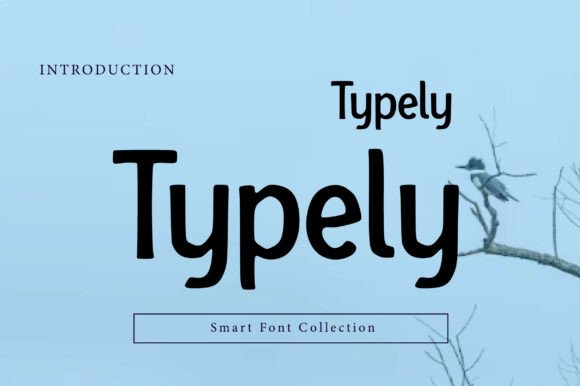
The morning light hits the workbench just right as I open my design software, ready to finalize the label for a new batch of lavender and sage soy candles. For weeks, I had struggled with the typography. The serif fonts felt too stiff and academic, while the overly curly scripts were difficult to read at smaller sizes. I needed something that captured the warmth of handmade goods but maintained a clean, modern edge. That is when I discovered Typely, a clean, friendly handwritten sans display font from Script Amp that immediately changed how I approached my product branding.
Seeing Typely come to life on screen was a relief. Its smooth strokes and rounded corners offer a distinct personality that feels approachable yet professional. As a creator who spends hours cutting vinyl, printing stickers, and assembling packaging, finding a typeface that balances charm with clarity is essential. Typely delivers exactly that, offering a modern minimal aesthetic that fits seamlessly into a variety of creative projects, from boutique tags to digital downloads.
Bringing Warmth to Product Labels and Packaging
One of the most critical aspects of running a small handmade business is the unboxing experience. The label is often the first thing a customer sees, and it sets the tone for the entire interaction. When I applied Typely to my candle labels, the difference was instant. The font’s simple letterforms allowed the ingredient list and scent name to stand out without competing with the minimalist graphic elements I had designed.
Because Typely is a display font, it shines brightest in titles and short phrases. It is perfect for product names like "Midnight Bloom" or "Citrus Grove," where you want the text to feel personal and crafted. The rounded terminals give the words a soft, inviting look, which aligns perfectly with the tactile nature of handmade soaps, candles, and skincare products. Unlike rigid geometric sans serifs, Typely retains the human touch, reminding customers that a real person made their purchase.
Beyond labels, this font works beautifully on packaging tape, thank-you cards, and tissue paper stamps. I recently used it to design a custom sticker sheet for my shop’s holiday orders. The legibility remained high even when the stickers were printed at a small scale, ensuring that brand recognition stayed strong across every touchpoint. For makers using cutting machines like Cricut or Silhouette, the clean paths of Typely make it easy to weed and apply, reducing production time and frustration.
Elevating Stationery and Wedding Invitations
Stationery design requires a delicate balance between elegance and readability. Typely has become a go-to choice for my wedding invitation suites and greeting card collections. Its handwritten style suggests intimacy and care, making it ideal for save-the-dates, welcome boards, and menu cards. When paired with a clean, neutral sans serif font for the body text, Typely creates a sophisticated hierarchy that guides the eye naturally through the information.
For printable creators, this font offers versatility. I have used it in digital planner headers, where its friendly vibe encourages users to engage with their daily goals. It also works well for motivational wall art prints, where a single powerful word or short quote needs to carry emotional weight. The smooth strokes ensure that the ink distribution looks even during home printing, avoiding the blotchy appearance that some textured fonts can produce.
When designing for weddings, consistency is key. Typely helps maintain a cohesive brand identity across various items, from the invitation envelope to the place cards. Its modern minimal personality ensures that the design feels current and stylish, rather than dated or overly ornate. This is particularly important for couples who prefer a contemporary aesthetic over traditional calligraphy styles.
Practical Tips for Readability and Pairing
While Typely is incredibly versatile, understanding its strengths as a display font is crucial for effective design. It is best suited for headlines, logos, and short decorative wording. Using it for long paragraphs of text can reduce readability, as the handwritten characteristics are designed to be seen at larger sizes. For body copy, I recommend pairing it with a simple, highly legible sans serif or a classic serif font. This contrast allows Typely to shine as the star of the design while ensuring that detailed information remains easy to digest.
Readability is also a concern when working with physical merchandise. If you are applying Typely to mugs, tote bags, or shirts, consider the size and placement of the text. On curved surfaces like mugs, keeping the phrase short and centered ensures that the rounded corners of the letters remain visible and intact. For tote bags, bolding the font or increasing the tracking slightly can help the design stand out against the fabric texture.
Color choice plays a significant role in how Typely is perceived. Because of its clean lines, it works well in both monochrome and colorful designs. I have found that using deep charcoal or navy blue enhances its modern appeal, while soft pastels highlight its friendly, approachable nature. Experimenting with opacity and layering can also add depth to digital mockups, giving potential customers a better sense of how the final product will look.
Licensing and Commercial Use Considerations
Before integrating any new typeface into your commercial workflow, it is vital to review the licensing terms. Typely comes with clear guidelines for commercial use, allowing makers to sell physical products, templates, and digital downloads that feature the font. However, always check the specific license included with your purchase from Script Amp to ensure compliance with your intended use case. This includes verifying rights for print-on-demand services, mass production, and digital asset distribution.
Additionally, explore the full range of features included in the font file. Some versions may offer alternates, ligatures, or multilingual support, which can enhance the flexibility of your designs. Understanding these technical details ensures that you can create diverse and inclusive products that appeal to a broader audience. Whether you are designing for local craft fairs or global online marketplaces, having a reliable, well-licensed font like Typely in your toolkit provides peace of mind and creative freedom.
Incorporating Typely into your design process is more than just choosing a pretty font; it is about selecting a visual voice that resonates with your brand values. Its blend of modern minimalism and handwritten warmth makes it an invaluable asset for crafters, sellers, and designers who want to create meaningful connections with their customers. From the first sketch to the final packaged product, Typely helps tell your story with clarity and charm.